Riding into the Future: Why AI is a Game-Changer for Charities
How up-skilling in AI on a free course enabled a youth mountain biking charity to streamline operations, save days of admin time, and amplify community impact.
Fundsorter runs free AI training for charities, taking non-technical participants from beginner level to confidently making real-world tools over a multi-week course. More than 1,000 people signed up for our first cohort, and they blew us away by taking a bit of knowledge and running with it to create amazing things.
One participant was Nic Johnson, CE of WORD, a Wellington youth mountain biking charity that does great work. We caught up about her experience on the course, why she thinks AI upskilling is so worthwhile for charities, and the incredible impact her new technical skills are having on her mahi.
Tell us about your organisation and your background.
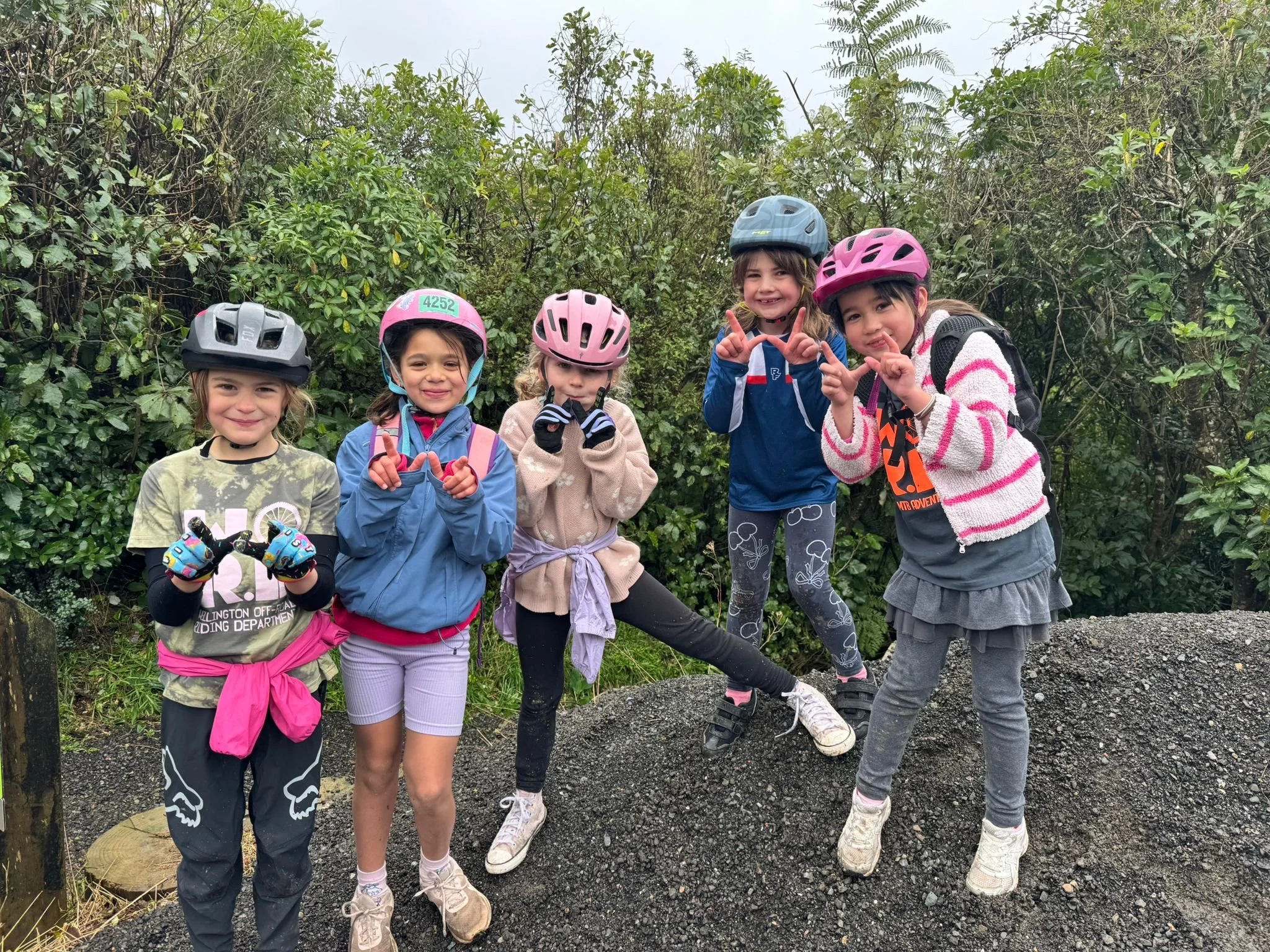
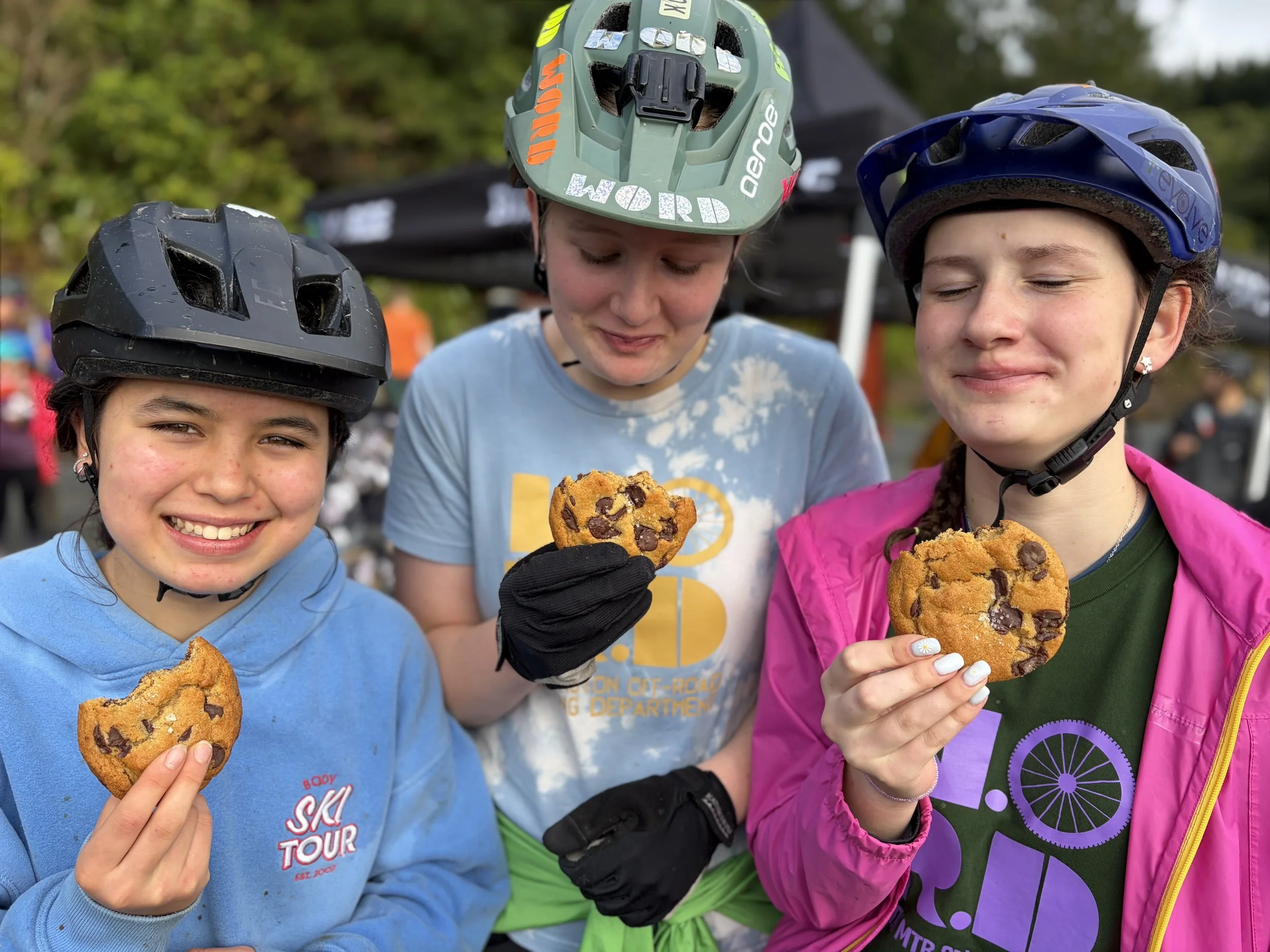
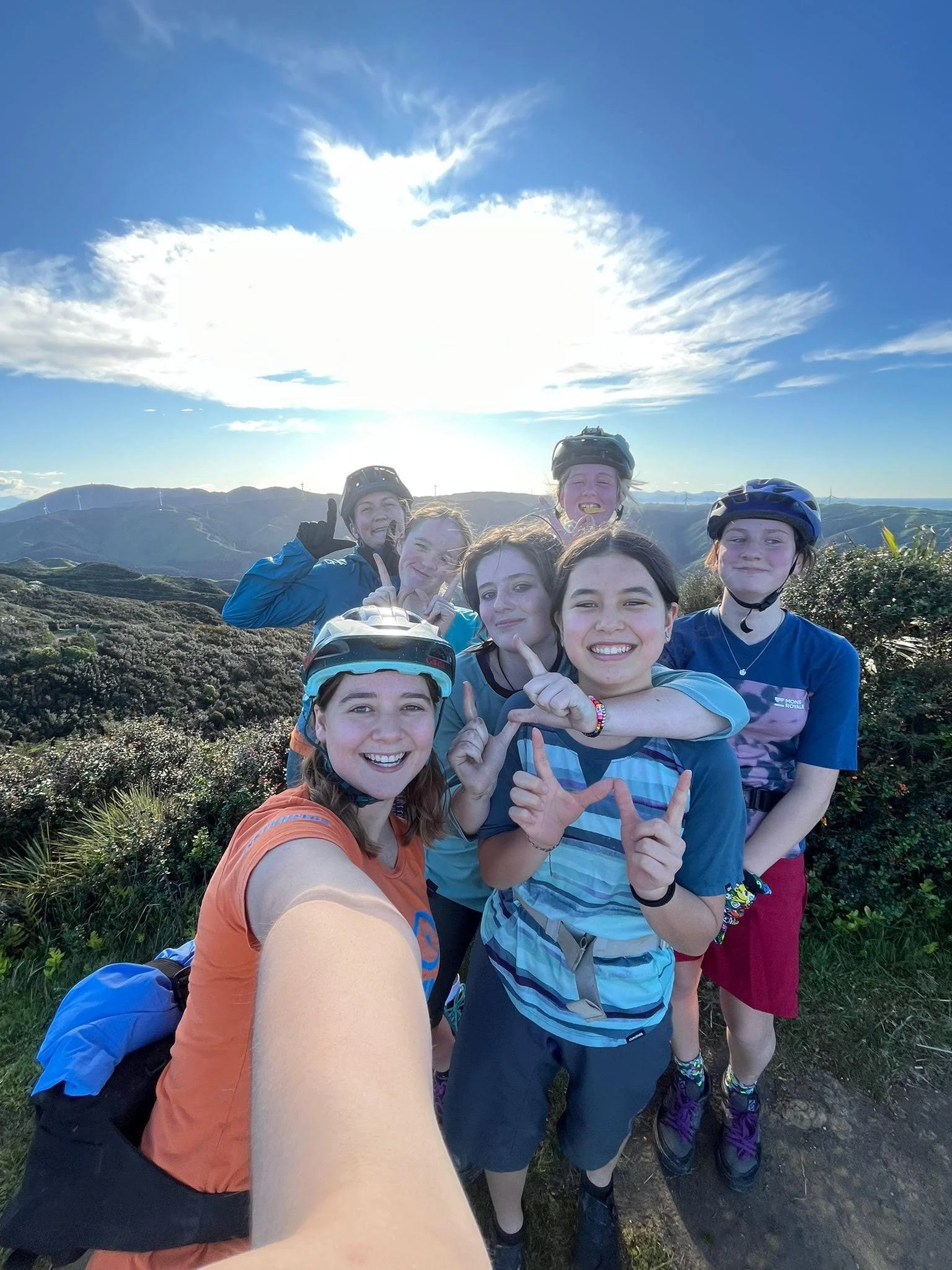
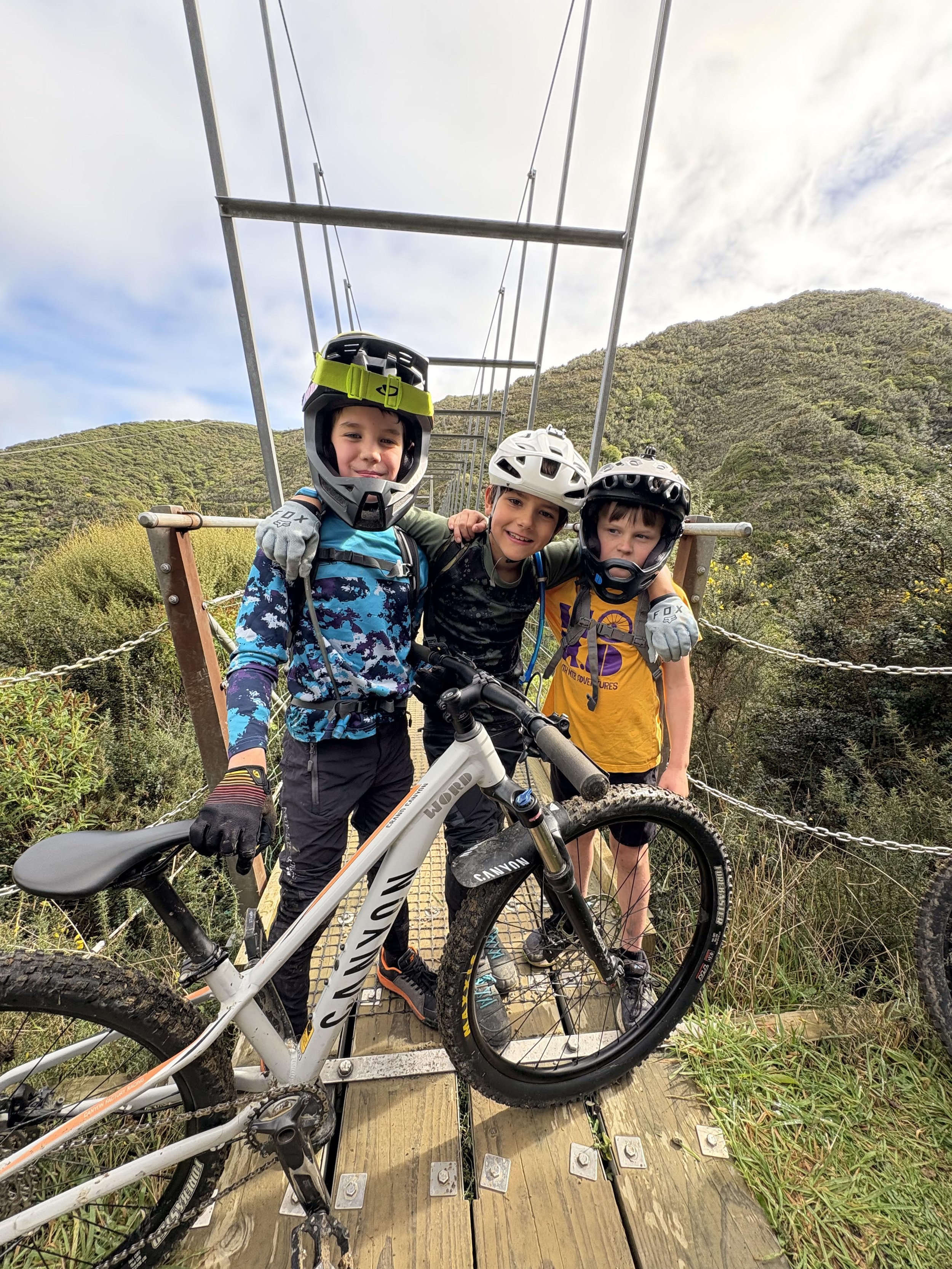
WORD is a youth mountain biking organisation. We run term sessions, holiday camps, and adventures for 7 to 17 year olds. We get kids on bikes, get them outside, connecting, and learning resilience. There’s also a leadership development component. Mountain biking is just the medium. It started in 2013, to give kids an experience of recreational mountain biking that’s not focused on competition. We’ve grown to serve almost 1,000 kids a year.
I became CEO in January, coming from a background as a mountain biking coach, competitive mountain bike racer, and also in business management. I had a really good understanding of safety and risk, adventure activities accreditation, and running an organisation. I’m now finding my feet when it comes to the charity side as well.
How did you get interested in learning about AI?
Before doing the course, I had been using AI chat just for refining emails and small bits and pieces. I knew there was more, but I didn’t know where to start. I was kind of bumbling around using various tools ineffectively. I sensed heaps of opportunity and I was curious. Our board chair sent me the link to your AI training course and said we should have a look. I read about the course content and thought “We should probably do this”.
“Before doing the course, I had been using AI chat just for refining emails and small bits and pieces. I knew there was more, but I didn’t know where to start.”
What was your experience like on the course?
To be honest, I found the first session a bit dry. I was wondering whether we needed to continue. I guess I’m impatient. My colleague Brad, who did the course with me, felt the same at first. But I said to him, let’s just stick with it.
Then, as soon as we got into building our own AI skills in the second week, my mind just exploded. It was phenomenal. I realised we could streamline everything, which means our small crew could spend more time with the kids, improve programming, and reach new markets. All of a sudden, I realised the opportunity was huge.
I met back up with Brad and we were so excited. I said, I built this and this, what did you build? And Brad had built some stuff already, too. He was able to apply a new skill to the project he was working on right away and start moving faster. From there, we ended up producing a lot of tools that have helped us massively and saved us so much time.
“My mind just exploded. It was phenomenal. I realised we could streamline everything, which means our small crew could spend more time with the kids.”
What was the first thing you built?
As a charity, we want our pricing to stay accessible while still delivering a quality, safe service. So the first tool we built was for price benchmarking.
WORD programmes cost more to run than a basic after school care service, because we bring a high level of professionalism to every session. Our coaching time is longer, every session is led by trained instructors, and we’re audited like an outdoor adventure provider. That's why the fairest way to compare us is like for like, not by the headline price alone. It's a much more complex and involved comparison, so the tool has really help show us where we sit in the market.
In the past, we could only do this process annually, if that, because we never had enough time. Using this new tool created with AI, we can clearly see what each programme is charging and where it sits in relation to comparable programmes. We were able to produce a very easy to understand visual to show the board.
It worked because we had good baseline data in a spreadsheet to start with, and we were confident it was correct and well-referenced. With the AI skill we created, instead of it taking 3 days to process the data, it now takes 3 minutes, and I can run it anytime I want. Improving this process alone has shaved 3 or 4 days a year off our admin load.
“With the AI skill we created, instead of it taking 3 days to process the data, it now takes 3 minutes… it’s shaved 3 or 4 days a year off our admin load.”
What else have you created?
I think we’ve created almost 50 new tools at this point. I get so excited about it that it’s almost embarrassing.
I built a compliance app, which combines board reporting and safety policies and procedures. It allows us to track expiries (like first aid certifications and police vetting) and support instructor onboarding. It also handles scheduling. We now have realtime reporting that we otherwise wouldn’t have been able to afford. Building the tool cost about $300 in AI tokens, for what would have been a $20,000 app to develop.
In terms of time saved, I no longer have to dig around emails or chase people up to load their documents to meet our safety requirements. All the info is right there. Any time someone needs a compliance report, I can produce it. I can also instantly produce quality reports about how sessions are running, and see at a glance where all our instructors are with training.
“We now have realtime reporting that we otherwise wouldn’t have been able to afford. Building the tool cost about $300 in AI tokens, for what would have been a $20,000 app to develop.
I’ve also included into the app an incident reporting tool with GPS location tagging. If someone gets injured, they don’t have time to be on their phone; they need to stay with the patient. They can just alert and a map pin goes to anyone in the instructor team who’s on the hill that day, and I know exactly where they are. I can direct emergency services confidently from another location if needed.
I’ve been able to keep adding layers to provide us with what we need, customised for us.
What has been the impact of upskilling in AI for your organisation?
I don’t think the impact of AI for us is even quantifiable. And it’s not stopping — it’s only the beginning.
For example, I created a dig crew tool, to support our trail maintenance and tree planting work with our teens who really are keen to build. Off the back of that, I was able to create an impact reporting tool for the council, so at the end of the year we can say we planted 200 trees, deployed 600 volunteer hours, worked at these sites on these days, this many kids turned up, and we maintained this many metres of trail.
We were doing this work in the past, but it was hidden, not recorded, and not shown in a compelling way. Now we can show what we really do in the community.
Plus, the kids get a cool app! They get achievement badges, for doing first aid, trail work, logging hours, or bringing good vibes. When they open the app, it shoots sparkles and confetti everywhere. It’s a really nice way of building community amongst these teenagers who might struggle to connect.
“We were doing this work in the past, but it was hidden, not recorded, and not shown in a compelling way. Now we can show what we really do in the community.”
What do you think charities and community groups should know about AI?
Charities work way more hours than what’s on paper. AI can potentially streamline some of those tedious admin areas and give us time back. For us, it’s created new ways to connect, to be on the ground more with the kids and meeting the parents.
AI isn’t scary, and it’s not all bad. There’s so much opportunity to use AI for good. If you’re still just using AI as a search engine, you’re missing out. AI can be accessible, if you have a little help on the journey.
Just start small and give it a crack. If you have the opportunity to learn one small thing, take it. If you can invest the time, you’ll get it back ten-fold at least. Learning even one new AI skill a month will change your world.
“There’s so much opportunity to use AI for good. If you’re still just using AI as a search engine, you’re missing out. If you can invest the time, you’ll get it back ten-fold at least.”
What’s next for you?
Since completing the course, I finished another app and built a new online training module. At some point, I need to slow down because I feel like my brain is exploding. After holiday programmes are finished, we’ll build time into our regular meetings each week to refine our AI skills. We want to consolidate and make sure everything we’re producing is high quality. Then, we’ll ask ourselves what we can streamline next.
Ngā mihi nui! Big thanks to Nic for sharing this story with us. We love the work WORD is doing in the community.
If you’re part of a charity or community group and you want to get powered up with AI skills, join our next AI for Charities training course starting Oct 29th.