
A good idea without a funder
How the Coalition to End Women's Homelessness found the right funder — at the right moment — through Fundsorter
“The ways that the Coalition to End Women's Homelessness has benefited from Fundsorter are immeasurable, really… we have been able to secure funding from the MAS Foundation for a really critical piece of research to highlight the experiences of the tamariki, of the children who accompany the mums that are experiencing homelessness in New Zealand.”
The Coalition to End Women's Homelessness is a movement nested under the Auckland City Mission. Two years ago it published a major report drawing on the Integrated Data Infrastructure (IDI), mapping what life actually looks like for women experiencing homelessness in New Zealand — their health, their income, their housing, and their contact with the justice system, both as victims and as perpetrators.
That report surfaced an important finding: a significant number of the 57,000 women who experience homelessness and housing insecurity in Aotearoa have children. What is happening for those children? And what would actually change it? The Coalition had the question, the data expertise and the standing… but not the funding. “We wanted to understand more about those children and the solutions that we might be able to put forward. We had a really good idea without a funder.”
Victoria Crockford, co-lead of the Coalition alongside Kaihautū Kathie Irwin, signed up to Fundsorter as a bit of an experiment. Fundsorter surfaced a match immediately: the MAS Foundation. When the Coalition approached them, the response was direct — "Yes, you do fit our pillars."
That confirmation is the part the Coalition values most. Funding applications are usually written into a void: an organisation guesses at what a funder cares about, shapes a proposal around the guess, and waits.
"Fundsorter helps you explicitly understand whether or not you fit the strategic intent or focus of the funder, which is sometimes not always that clear when you're taking a shot in the dark."
The Coalition went to MAS Foundation with alignment rather than hope, and because the fit was clear the grant could move through the Foundation's koha approach — under a certain threshold, funding is approved quickly, without a formal board process. Less than three weeks after signing up, the Coalition had $50,000 for the research.
That speed meant the research was published alongside the Child Poverty Monitor, in time for scrutiny week at Parliament, which meant the Coalition could put its findings directly into the hands of the people making policy while discussions were live.
For organisations like the Coalition, the funding landscape has always been bounded by how much time and who you know. Fundsorter changes what's possible with limited time and resources.
"I just think it's a really powerful tool, and I feel really positive about the way that it will impact the local funding context here for small organisations in particular."
Her advice to other organisations is unequivocal:
"I absolutely recommend it as a cost-effective, time-effective way for organisations to be able to refine their approach to funders with the support of the AI tool, and be matched with funders that they just wouldn't otherwise know existed."
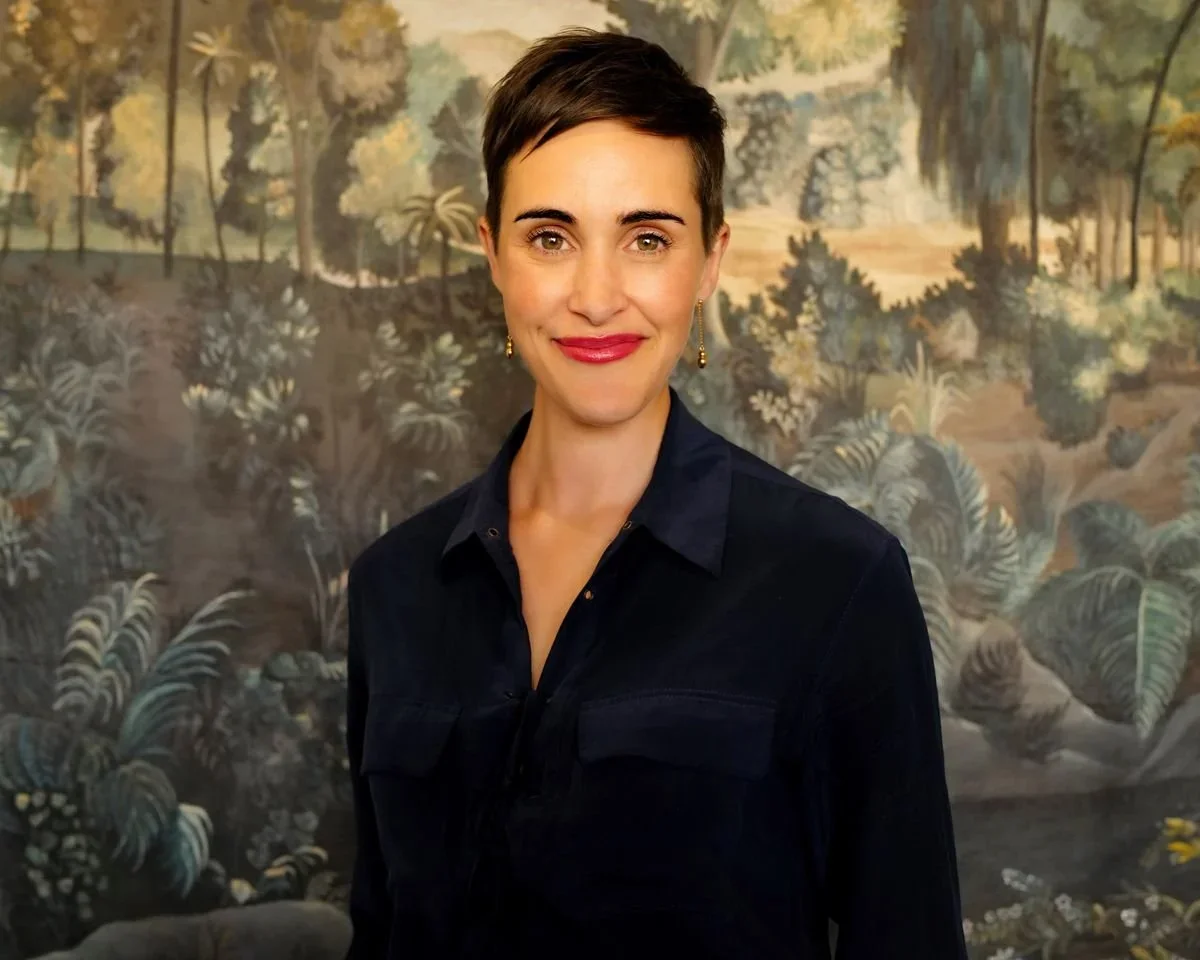
Victoria Crockford, Project Co-Lead, Coalition to End Women’s Homelessness