AI as a Force for Good
Imagine it's 1882. The world's first power station in New York City has just been switched on. Electricity lights up the night. If you listen carefully, though, the conversations might sound a little bit familiar.
This is a transcript of a presentation at NetTalks from InternetNZ Ipurangi Aotearoa (video).
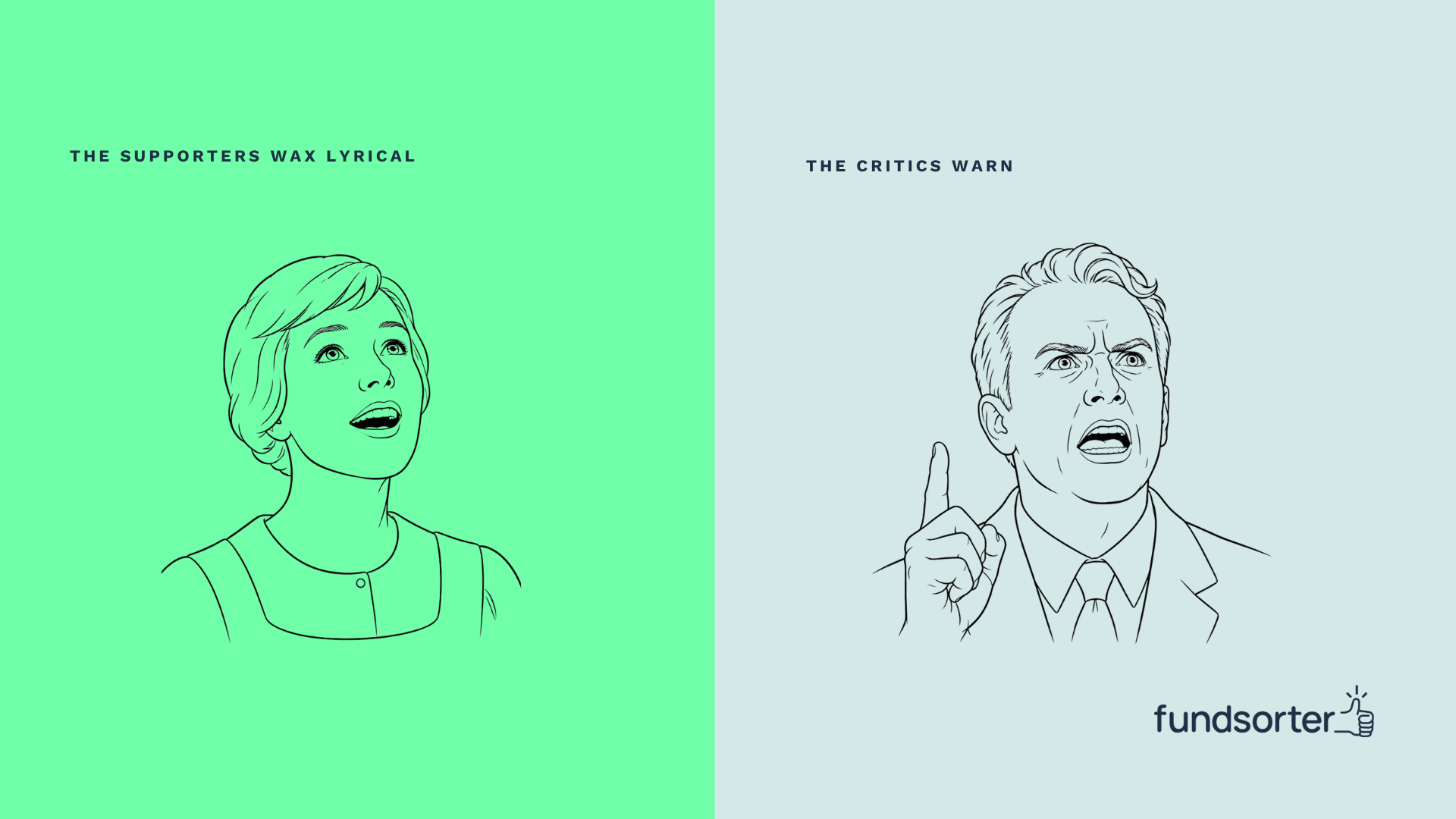
Supporters are calling electricity a liberation technology, a democratising force that will transform lives for the better, for all of us. Soon, they say, we'll hardly even need to work. Electricity will do it all for us. Critics, though, warn of moral and psychological degeneration. We will lose our humanity if we're not tethered to the rhythms of day and night. Public discourse is full of fierce debates about class, control and whether this new resource will serve the many or the few.
In both this era and our own, we see massive infrastructure buildout, fierce battles over standardisation, and urgent public debate about who gets to shape this technology, and who gets shaped by it.
We know now how the electricity story played out. There was a a huge boom of investment, an economic bust. Jobs changed, disappeared, and transformed in ways that we couldn't possibly have imagined. Even our language shifted. We started talking about people as being “switched on”, “dynamic”, and “energized”. The technology rewired not just our homes, but how we thought, spoke, and worked.
Eventually, electricity became a public good. Not automatically, not inevitably, but because of public struggle, regulation, and political will.
Here we are 140ish years later, asking the same questions. What levers do we have available to make AI a public good? Because right now, it is not a public good. It is not neutral. It is not collectively owned. It is not, by default, here for us.
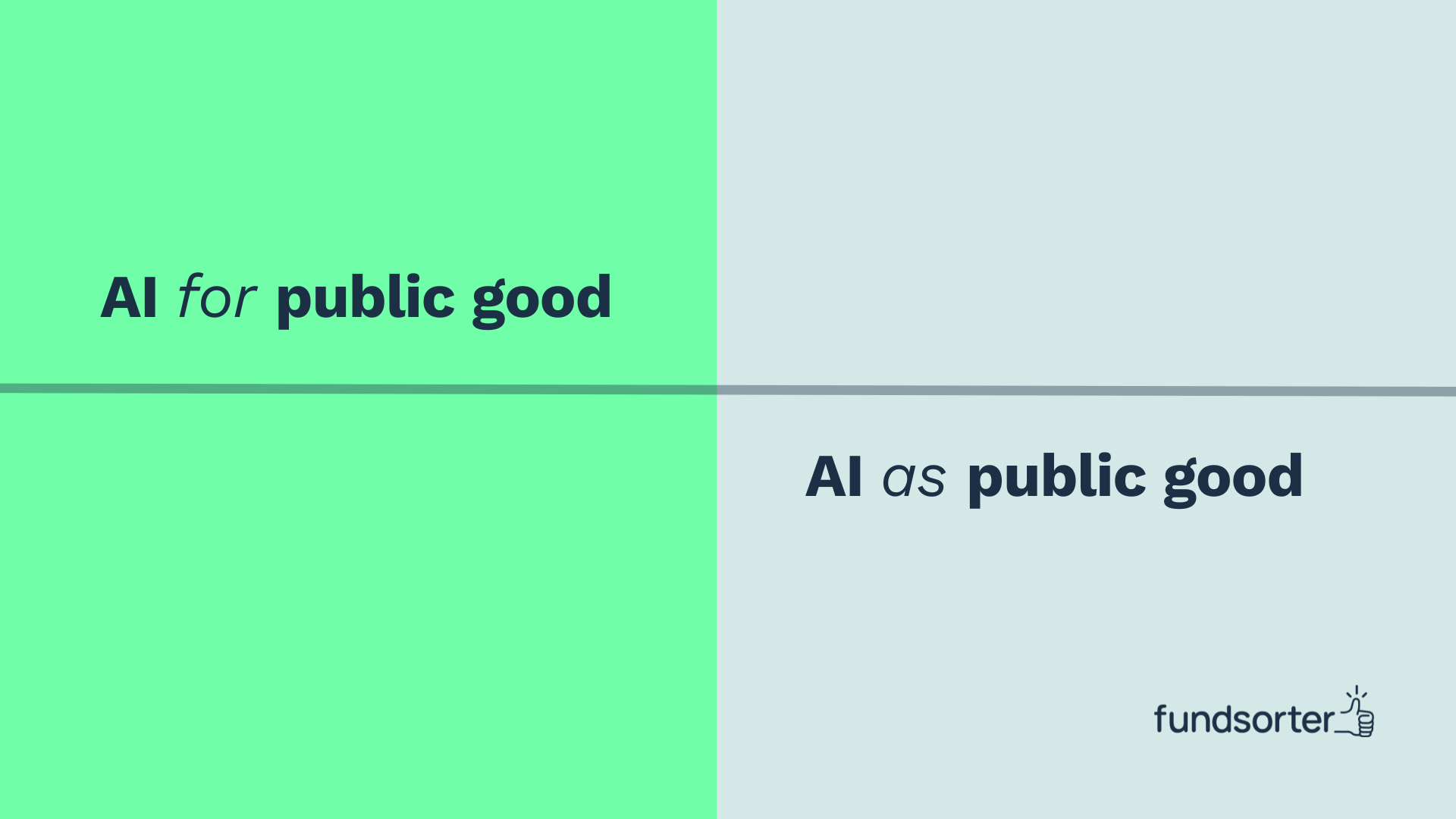
At Fundsorter, we use AI for good. We make the funding landscape more equitable and efficient. Getting resources to community organisations, to people doing on the ground coalface work, is a public good. It does have impact that is positive.
But using AI for good and AI being a public good — shared, accessible, accountable and democratically governed — are two very different things. One of them is possible now and one of them is the conversation we need to be having.
Now, I don't want to minimise what we're experiencing. There are a lot of differences between what's happening now and what happened in that electricity era. One of those is existential dread. We are much more overwhelmed and afraid of this technology than we are excited. We're dealing with a polycrisis: overlapping crises in geopolitical, economic, and climate spheres.
We're also dealing with an incredible speed of change. Electricity took roughly 70 years to reach most people. ChatGPT reached 100 million users in 60 days. We don't have 70 years to get the settings right on this. We have five, or three, or maybe even less.
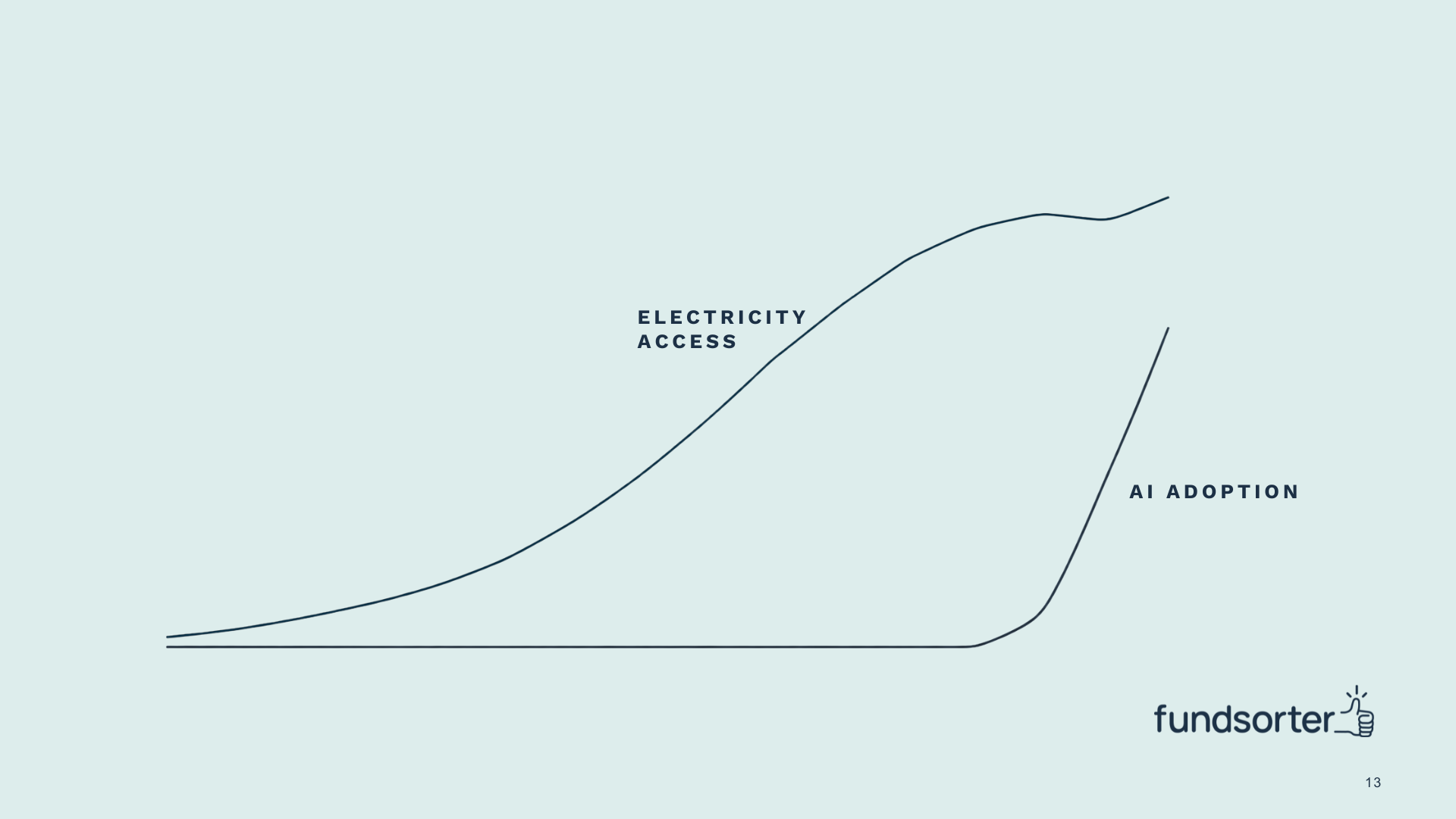
So what do we need to do? I think it comes down to three things: who owns, who decides, and who benefits.
In 1901, while the US was arguing about private electricity monopolies, New Zealand built state-owned hydroelectric power. In 1903, the crown reserved the right to be the sole generator of hydroelectricity. We didn't wait for the market to do the right thing, because it doesn't. We decided electricity infrastructure was too important to leave to chance. We tried privatising it in the '90s, and that didn't go so well.
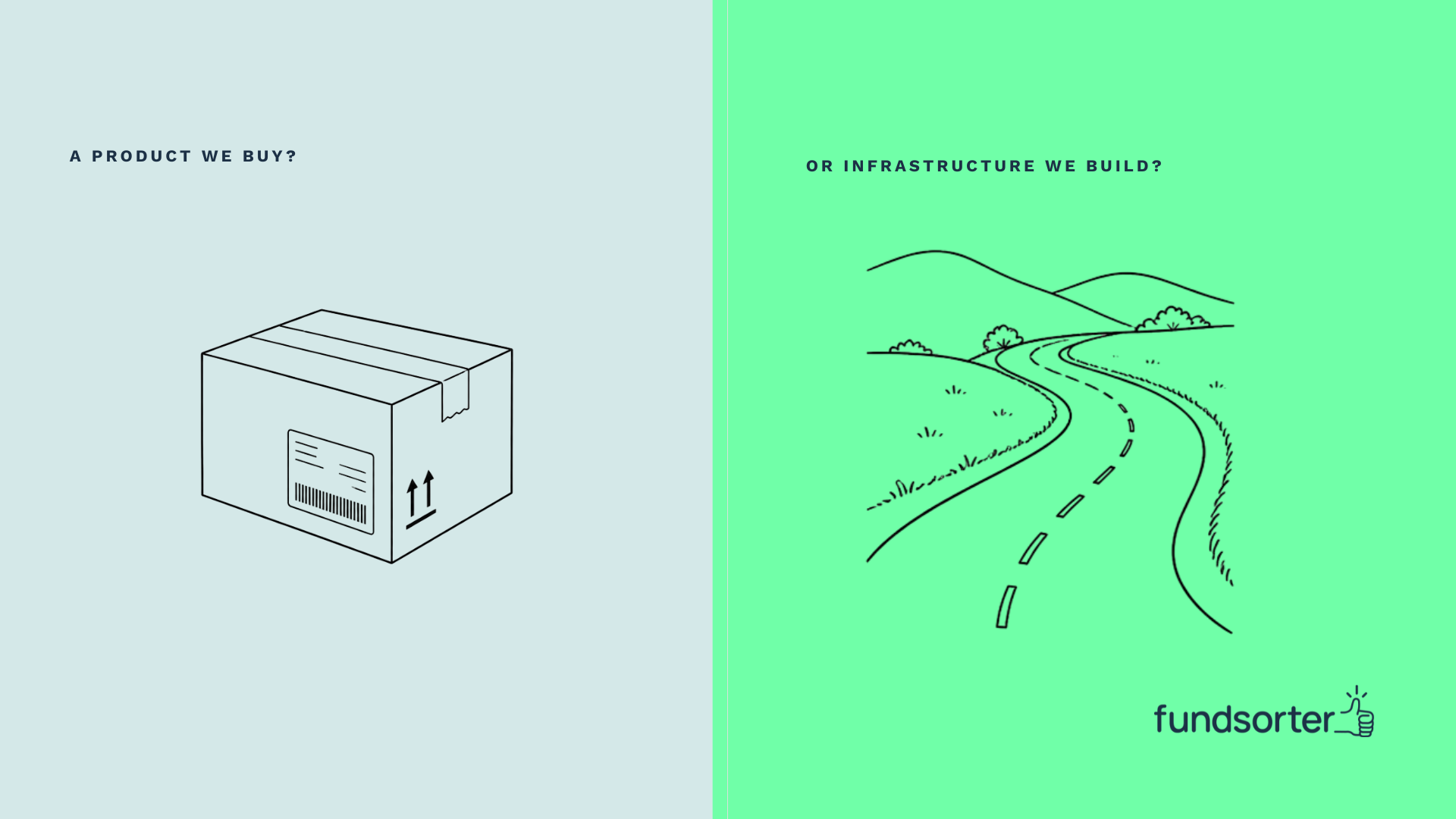
We can treat AI like a product, something that we buy from overseas corporations, or we can treat it like infrastructure, something we build and share, like libraries and roads. A shift to a public infrastructure mindset would mean open-source models, public funding, democratic data governance, and different kinds of ownership models, like steward ownership, co-governance, and cooperatives.
Accountability is about who decides. Right now, the values baked into AI systems are mostly the values of a handful of corporations, most of them American or northern hemisphere, profit-driven, and none of them ours. We don't yet have a shared collective definition of what good AI looks like for Aotearoa, what fairness means, whose knowledge counts, or how harm is recognised and addressed. Right now, we're not setting the terms.
The New Zealand government's current AI strategy is explicitly light touch. There are no mandatory impact assessments and no dedicated regulator. The algorithm charter is voluntary. We all know that voluntary commitments are not enough. Without regulation, we stifle innovation. But more importantly, systems that affect communities need real accountability and pathways to redress.
In Aotearoa, we already have frameworks for shared governance, for treaty obligations, for saying that the market doesn't get to decide. Applying that logic to AI would be consistent with our values as a bicultural nation built on Te Tiriti o Wantangi.
Finally, we need to decide who benefits. Every major technology shift creates value (except maybe NFTs), but it doesn't distribute that value evenly. Without intervention, AI will follow the same pattern: benefits will concentrate with those who already have capital, capability, and access, and a greater divide will be created.
The early electricity era ended with public ownership, regulated utilities, and universal service obligations. We are at that same moment of choice again. The switch for AI is about to be thrown, and we get to decide whose hands are on that switch. If we want them to be collective hands that belong to all of us, there are three things that we can do right now.
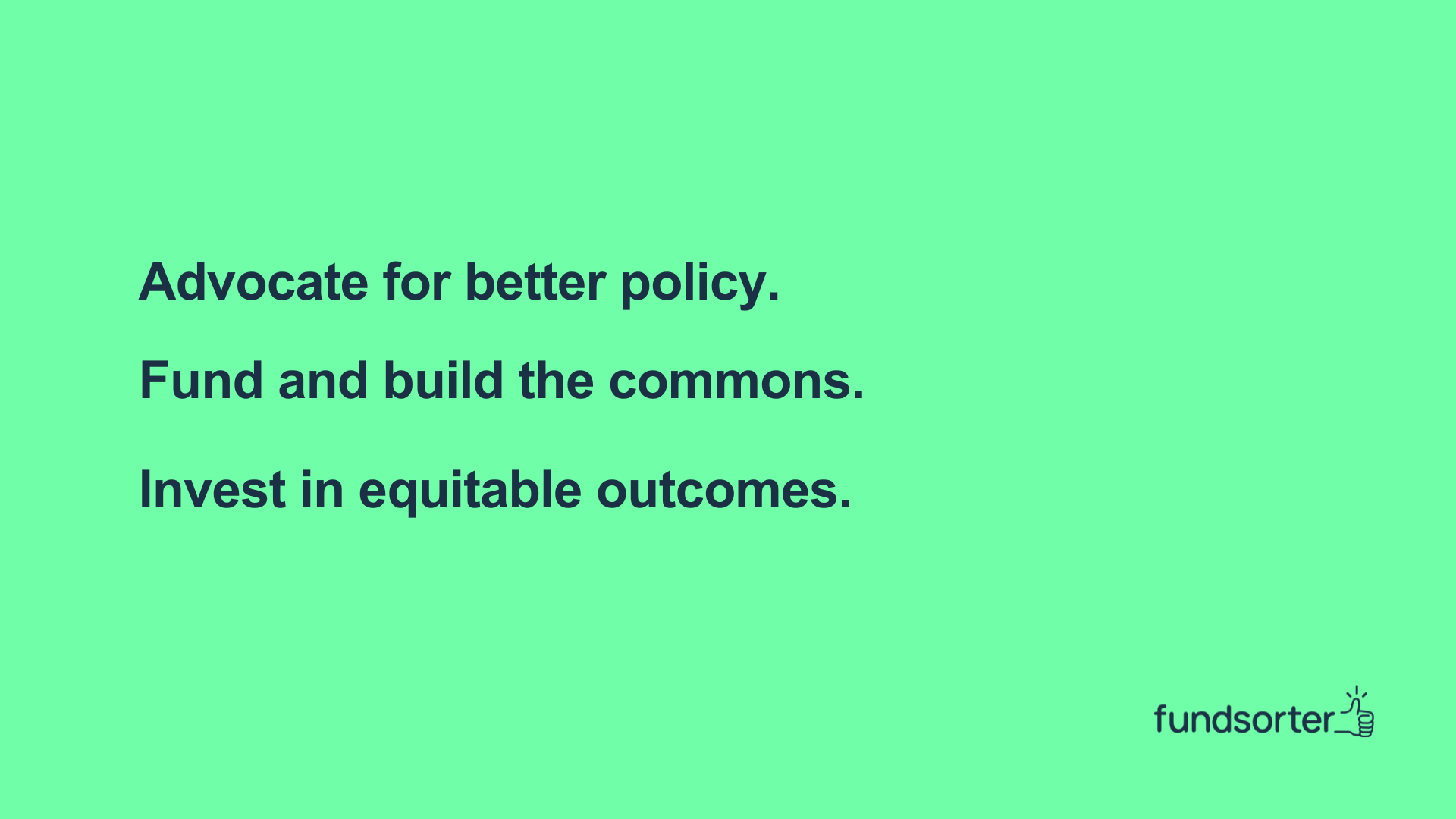
One: we can advocate for better policy: policy with teeth, regulation, impact assessments, a real governance framework for and by Aotearoa.
Two: we can fund and build AI commons, open tools trained on our data, governed by our communities and underpinned by Te Tiriti.
Three: we can invest in the digital literacy, access, skills, and trust that let people participate, not just consume.
In my view, this is a deeply exciting time. I am very optimistic about it because we have agency. Nobody gave us the electricity grid. The electricity barons didn't wake up one morning and just decide to share. Public good was demanded. It was organised for and it was won. That's what we need to do with AI.
No one will turn the lights on for us. But we can do it for each other.